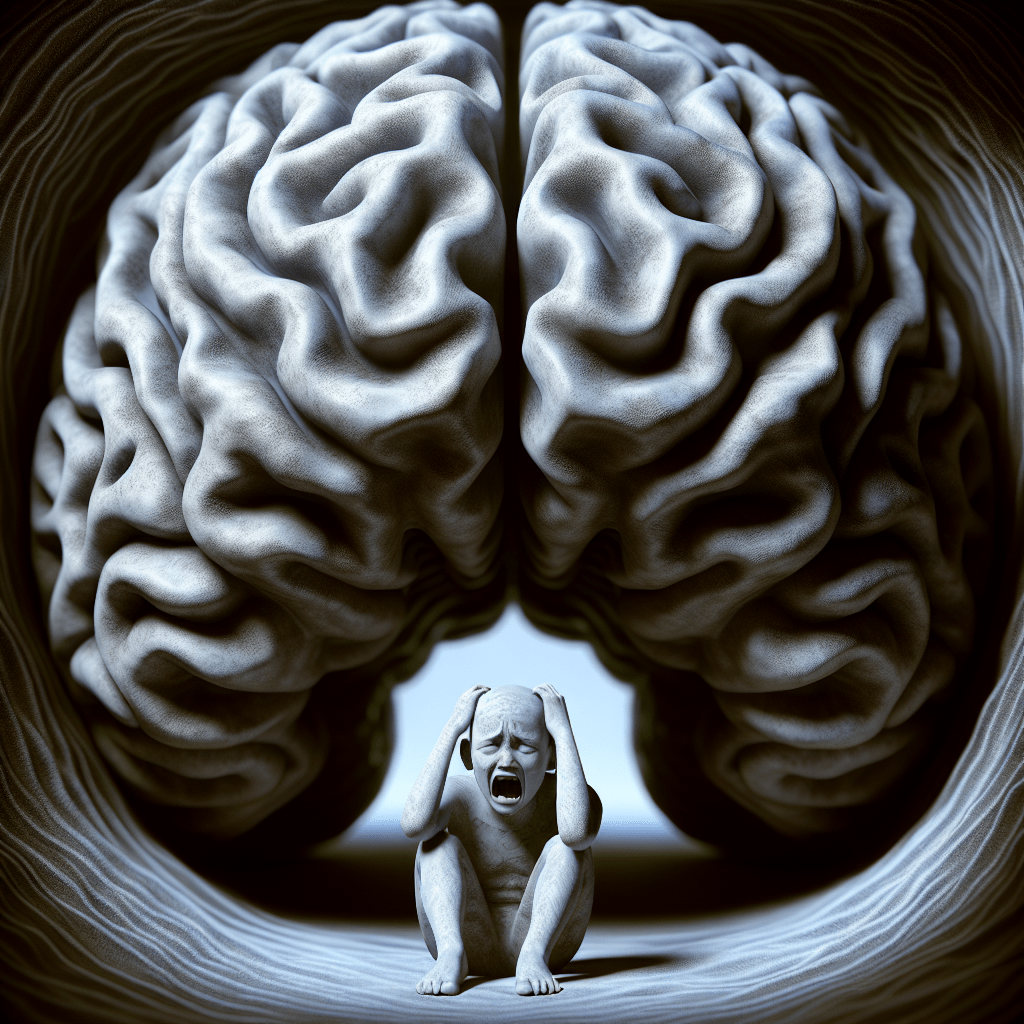
The Silent Echoes in the Mind : Understanding Bipolar Disorder Through Its Neurological Roots
Within the labyrinth of the human mind, bipolar disorder emerges not merely as a condition but as a profound journey that spans the highs of euphoria to the depths of despair. It’s a tale of contrasts, painted on the vast canvas of our emotions, guided by the intricate workings of our brain. Beyond the clinical definitions and symptoms, lies a deeper narrative about the neurological underpinnings of bipolar disorder, revealing not just the ‘what’ but also the ‘why’ behind this enigmatic condition.
Whispers of Change: The Brain’s Mysterious Landscape
For those navigating the stormy seas of bipolar disorder, the brain serves both as the map and the territory. It is in the hidden corridors of the prefrontal cortex and the shadowed rooms of the limbic system where mood extremes find their root. The prefrontal cortex, the guardian of our impulses and decisions, often betrays its duty in this disorder, altering the very fabric of emotional regulation. Meanwhile, the limbic system—a maze of emotion and memory—plays its tune in this unique orchestration of highs and lows.
Imaging studies whisper tales of these changes, revealing how certain areas connected to mood regulation differ in structure and function. These variations are akin to silent echoes that bounce off the walls of one’s own mind, altering perceptions, feelings, and reactions. They serve as a stark reminder that the emotional turmoil experienced is deeply intertwined with the physical realm of the brain.
The Dance of Neurotransmitters: A Delicate Imbalance
In the world of bipolar disorder, neurotransmitters—the brain’s chemical messengers—dance a delicate and often discordant dance. The highs of mania shimmer with an oversupply of dopamine, sending sparks of pleasure and reward coursing through the brain. In contrast, the lows of depression are marked by a shadowy deficiency of serotonin, leaving one in the grasp of an unrelenting gloom. This imbalance is not merely a matter of chemicals but a reflection of the soul’s cries and whispers, a testament to the profound sadness and ecstatic joys that characterize the human experience.
Genes and Destiny: The Inherited Map
The narrative of bipolar disorder is also a story of inheritance, of genes passed down through generations like old family heirlooms, each carrying a piece of the puzzle. These genetic markers do not dictate destiny but suggest a vulnerability, a predisposition woven into the very fabric of one’s being. It’s a reminder that while we may walk our paths alone, the trails were blazed long before us, influenced by the silent whispers of our ancestors’ struggles and strengths.
The Rhythm of Life: Circadian Melodies
The ebb and flow of bipolar disorder are also mirrored in the rhythms that govern sleep and wakefulness—the circadian melodies that dictate the pace of life itself. For many, the disruption of these natural rhythms acts as a catalyst, awakening the dragon of mood episodes. The regulation of these rhythms, intertwined with the darkness and light of our days, speaks to the profound connection between the external world and our innermost selves. Here, in the quietude before dawn or the stillness of the night, lies the key to understanding the cyclical nature of bipolar disorder.
Embracing the Journey: A Call to Compassion
As we delve into the neurological aspects of bipolar disorder, we uncover not just the mechanisms of a condition, but the human story behind it. This exploration is a call to compassion, a reminder that behind every diagnosis lies a heart, a soul, and a lifetime of stories waiting to be understood. The intricacies of the brain—its anomalies and rhythms—offer a map to navigate this path, guiding us toward a horizon where empathy and science meet.
To those touched by bipolar disorder, remember: Your journey, though fraught with challenges, is underscored by a resilience as profound as the depths of your emotions. In understanding the neurological roots of this condition, we find not just answers, but also a mirror reflecting the complexity, beauty, and resilience of the human spirit.
 Brains
Leave a comment