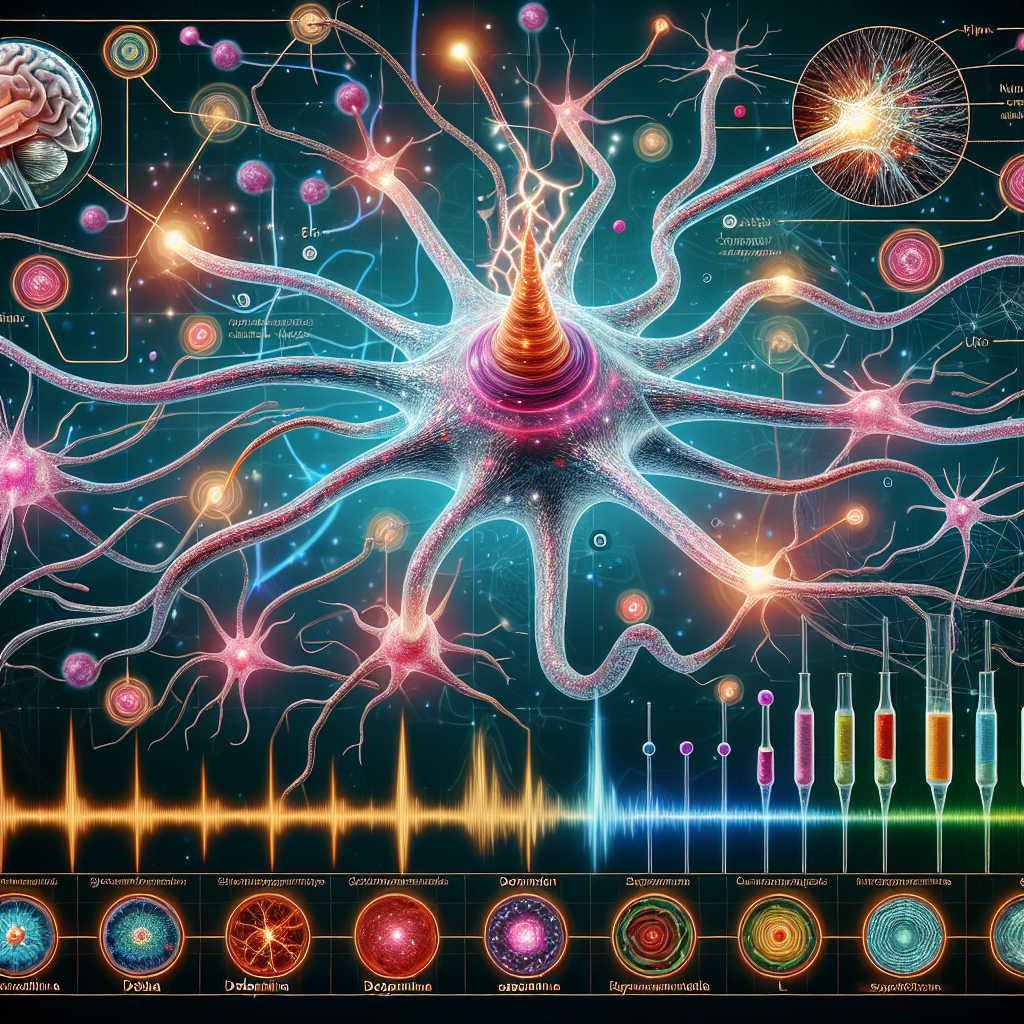
Neuropsychology is the study of the relationship between brain function and behavior. It is a branch of neuroscience that focuses on how the brain develops, how it is organized, and how it functions. Neuropsychologists also study how brain damage or dysfunction can affect behavior and cognition.
Neuropsychology has a wide range of applications in the field of mental health. Neuropsychologists can help to diagnose mental health disorders, such as bipolar disorder, ADHD, and Parkinson’s disease.They can also develop and implement treatment plans for these disorders.
Neuroscience of Mental Health Disorders
Neuroscience has made significant contributions to our understanding of mental health disorders. Neuroimaging studies have shown that people with mental health disorders have differences in the structure and function of their brains. For example, people with bipolar disorder have been found to have smaller hippo campi, which is a brain region that is involved in memory and emotion. They also have been found to have increased activity in the amygdala, which is a brain region that is involved in fear and anxiety.
People with ADHD have been found to have smaller volumes of gray matter in the prefrontal cortex, which is a brain region that is involved in attention and executive function.They also have been found to have increased activity in the striatum, which is a brain region that is involved in reward and motivation.
People with Parkinson’s disease have damage to the substantia nigra, which is a brain region that is involved in producing dopamine. Dopamine is a neurotransmitter that is involved in movement, motivation, and reward. The damage to the substantia nigra leads to a decrease in dopamine levels in the brain, which can cause the symptoms of Parkinson’s disease.
Neuropsychological Assessment
Neuropsychologists use a variety of assessment tools to diagnose mental health disorders. These tools may include:
- Interviews
- Questionnaires
- Neuropsychological tests
Neuropsychological tests are designed to measure specific cognitive functions, such as attention, memory, and executive function. These tests can help to identify areas of cognitive impairment that may be associated with a particular mental health disorder.
Treatment
Neuropsychologists can work with other mental health professionals to develop treatment plans for mental health disorders.These treatment plans may include :
- Medication
- Therapy
- Lifestyle changes
Neuropsychologists can also provide support to people with mental health disorders and their families.They can offer education about mental health disorders and provide coping mechanisms.
Conclusion
Neuropsychology is a valuable field that can help to improve the lives of people with mental health disorders. Neuropsychologists can help to diagnose, treat, and support people with mental health disorders. They can also help to develop new treatments and interventions for mental health disorders.
I hope that you find this blog post informative and helpful.
 Brains
Leave a comment